
Spay & Neuter
Spay and Neuter in Aurora, CO for Dogs and Cats
Deciding when to spay or neuter your pet is one of the first big health choices you will make together, and it deserves a real conversation. At East Plains Veterinary Care, our privately owned practice provides spay and neuter surgery for dogs and cats in Aurora, CO and throughout the South Denver area, with honest guidance on timing, safety, and cost. If your search for a dog spay and neuter brought you here, we would love to meet your pet and talk through what makes sense for them.
What Is the Difference Between Spaying and Neutering?
Spaying is the surgical sterilization of a female pet, and neutering is the sterilization of a male. In a spay, the veterinarian performs an ovariohysterectomy, removing the ovaries and uterus through a small incision in the abdomen. In a neuter, also called castration, the testicles are removed through a small incision near the scrotum. Both procedures are done under general anesthesia, and both permanently prevent pregnancy.
Because a spay means entering the abdomen, it is the more involved procedure, which affects anesthesia time, recovery, and cost.
At What Age Should You Spay or Neuter a Dog or Cat?
The right age depends on your pet's species, breed, size, and health, so we make the recommendation one pet at a time. Many cats and small-breed dogs are good candidates at around five to six months, often before a female's first heat cycle. For large and giant breed dogs, waiting until they are closer to skeletal maturity may be worth discussing, since growth plate development and joint health can factor into the decision.
Adult pets can be spayed or neutered at almost any age, as long as they are healthy enough for anesthesia. During your pet's exam, Dr. Kimberly Drake will walk you through the pros and cons of each timing option, so you can make an informed choice instead of following a one-size-fits-all rule.
What Are the Health Benefits of Spaying and Neutering?
Spaying and neutering prevent unplanned litters and lower the risk of several serious diseases. The benefits differ for females and males:
- Spaying eliminates the risk of pyometra, a life-threatening uterine infection common in older unspayed females
- Spaying before the first or second heat greatly reduces the risk of mammary tumors
- Neutering eliminates the risk of testicular cancer and lowers the odds of some prostate problems
- Both procedures reduce hormone-driven roaming, which lowers the chance of injuries from traffic or fights
Will Neutering Change My Pet's Behavior or Personality?
Neutering does not change your pet's personality, but it often reduces behaviors driven by reproductive hormones. What tends to fade are habits like urine marking, roaming, mounting, and some hormone-related aggression, especially when the procedure happens before those habits become ingrained.
Spayed females no longer go through heat cycles, so the yowling and restlessness many cat owners know well will stop. One change to plan for is metabolism. Sterilized pets often need fewer calories, so we will help you adjust portions to keep your pet at a healthy weight.
How Do We Keep Anesthesia Safe During Pet Sterilization?
We keep anesthesia safe by screening every patient first and monitoring them closely from start to finish. Pre-anesthetic bloodwork is mandatory for every surgical patient at our practice, because it shows us how your pet's organs are working before any medication is given. If the results raise a concern, we pause and talk with you before moving forward.
During the procedure, a dedicated licensed veterinary technician monitors your pet's vital signs the entire time. Pain management starts before surgery and continues through recovery. Dr. Drake's background in emergency and urgent care medicine also means our team is ready to recognize and respond to changes quickly.
What Happens on the Day of Your Pet's Spay or Neuter Surgery?
On surgery day, your pet checks in during the morning, has a pre-surgical exam, and goes home once they are awake and comfortable. A typical day looks like this:
- Follow our fasting instructions the night before
- Complete your patient forms ahead of time so check-in can focus on your pet
- A pre-surgical exam and bloodwork review confirm your pet is ready
- Surgery is performed under general anesthesia with continuous monitoring
- Your pet rests in a quiet recovery area while the anesthesia wears off
- We call you with an update and review home care instructions at pickup
In most cases, pets go home the same day, and we never rush the discharge conversation.
How Long Does Spay and Neuter Recovery Take?
Most pets heal from a spay or neuter in about 10 to 14 days. Many feel like themselves within a day or two, so activity restrictions matter. The incision still needs time to close even when your pet feels ready to run.
Males often bounce back a bit faster after a dog neuter surgery than females do after a spay, since the procedure is less invasive. If anything about the incision looks off during that window, we are always glad to take a look.
How Do I Care for My Pet's Incision at Home?
Keep the incision clean and dry, prevent licking, and limit activity until it has healed. These steps make the biggest difference:
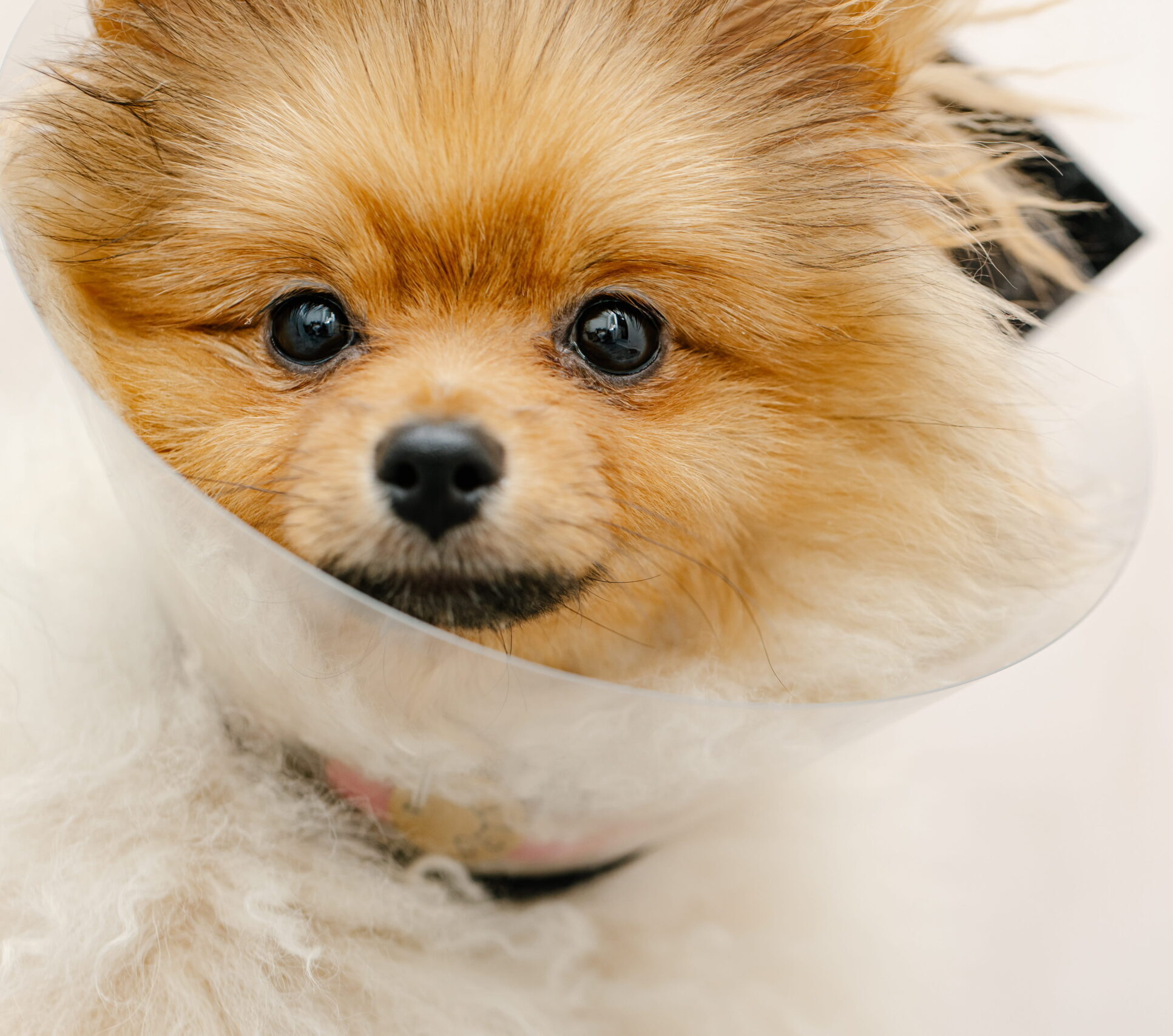
- Use the recovery cone or recovery suit as directed, including overnight
- Keep dogs on a leash for bathroom breaks and keep cats in a small, quiet room
- Avoid running, jumping, stairs, and rough play
- Skip baths and swimming until the incision is fully healed
- Give all medications exactly as prescribed
- Check the incision once or twice a day
Call us right away if you notice swelling, redness, discharge, an opening in the incision, vomiting, or lethargy that lasts beyond the first day. After hours, go directly to a 24-hour emergency hospital.
Are There Risks or Downsides to Spaying and Neutering?
Spaying and neutering are routine and generally very safe, but like any surgery under anesthesia, they carry some risk. Complications such as bleeding, infection, or reactions to anesthesia are uncommon, and careful screening and monitoring lower those risks further. Long-term considerations include weight gain, a small chance of urinary incontinence in spayed females, and questions about joint health in certain large breeds.
Research on the timing and long-term health effects of sterilization continues to evolve, and you deserve to hear all of it. Our job is to give you the full picture for your pet, not to push a single answer.
How Much Does It Cost to Spay or Neuter a Pet?
Spay and neuter cost depends on your pet's species, sex, size, age, and overall health, so we provide a personalized estimate before scheduling. A spay usually costs more than a neuter because it is a longer abdominal procedure, and larger dogs need more anesthesia and medication than cats or small dogs.
We walk you through every line of the estimate so there are no surprises. If you have pet insurance, we can help you gather the records your provider needs for a claim. We also offer financing through Cherry to help spread out payments.

Why Choose East Plains Veterinary Care for Spay and Neuter
As one of the few privately owned practices in our market, we make decisions based on your pet, not a corporate protocol. Our surgical care is built on the same values that guide every visit:
- Mandatory pre-anesthetic bloodwork for every surgical patient
- A dedicated licensed technician monitoring your pet throughout the procedure
- Pain control during and after surgery
- Honest, unrushed conversations about timing, risks, and cost
- Continuity of care with a veterinarian who knows your pet by name
A spay or neuter is often the start of a long relationship, and we look forward to supporting your pet through every life stage with our full range of veterinary services.
Schedule Your Pet's Spay or Neuter Consultation with Our Team
Whether you are planning a cat spay surgery for your new kitten or a neuter for your growing puppy, our office in Aurora, CO is here to help you choose the right timing. We are open weekdays from 8 a.m. to 6 p.m. and Saturdays from 8 a.m. to 1 p.m. Call us, send an email, or use our online contact form to schedule a consultation, and we will take it from there together.