
Dental Cleanings and Exams
Pet Dental Cleanings and Exams in Aurora, CO
At East Plains Veterinary Care, we think of pet dental cleanings and exams as one of the most overlooked ways to protect a pet's overall health, not just their breath. Dr. Kimberly Drake and our team built this practice to be a sanctuary for animal health and welfare, and that starts with the parts of a pet's health that are easy to miss during a quick look at home.
If it has been a while since your dog or cat had their teeth evaluated, drawing on our full range of veterinary services, we would be honored to take a look.
What Is Included in a Pet Dental Cleaning and Exam?
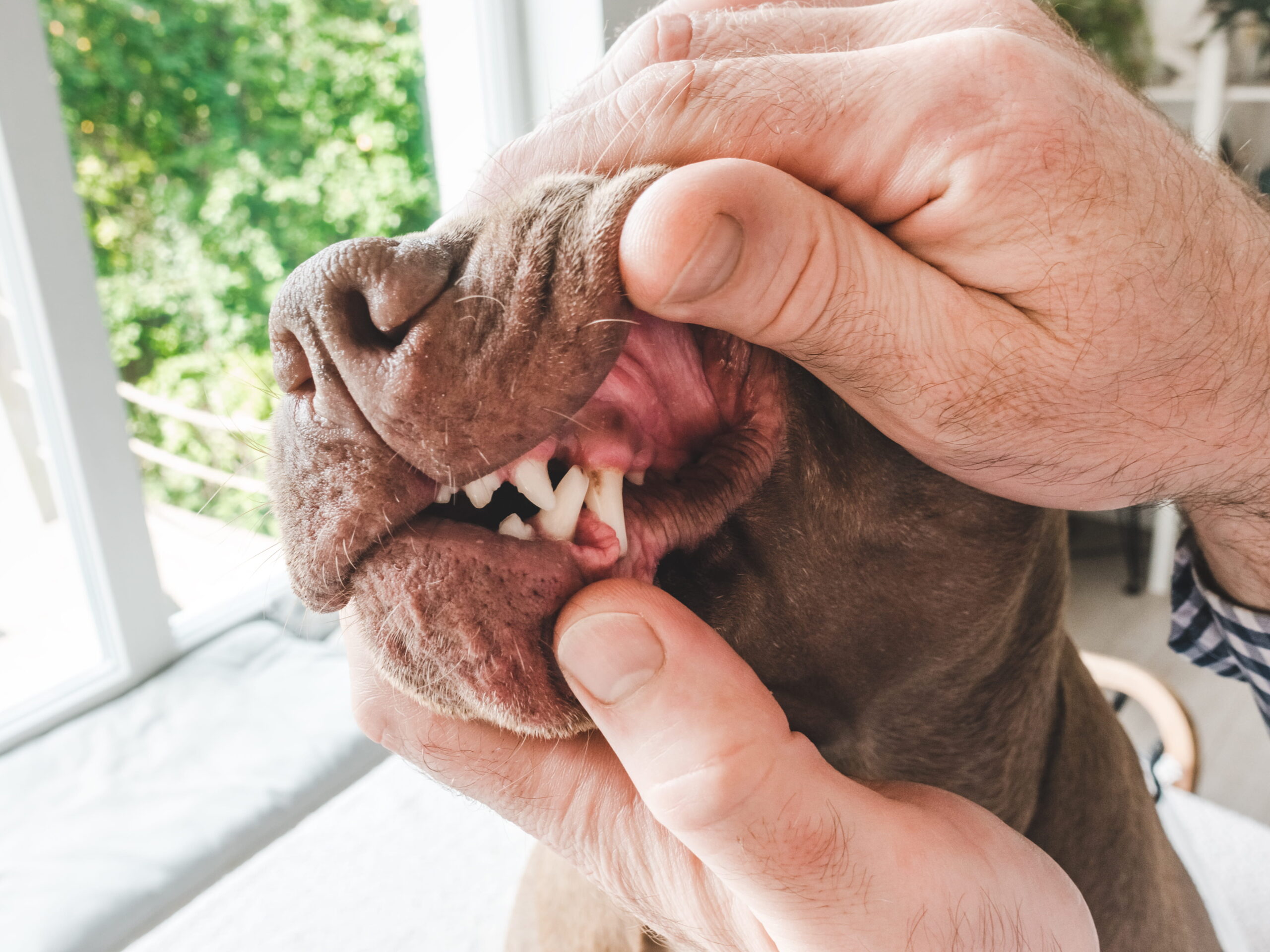
A pet dental cleaning and exam combines a professional cleaning, which removes plaque and tartar above and below the gumline, with a thorough oral health evaluation of the teeth, gums, and surrounding tissue. Dental care supports more than fresh breath. Regular oral health evaluations and professional cleanings, when recommended, help protect your pet from pain, infection, and dental disease. Most cleanings also include dental X-rays and safe anesthesia monitoring, since a large part of what causes pets discomfort is happening beneath the gumline where a visual look cannot reach.
Why Is Regular Dental Care Important for Pets?
Regular dental care matters because dental disease is one of the most common, and most commonly overlooked, health problems in dogs and cats. Left untreated, it causes real pain, infection, and eventually tooth loss, and many pets hide that discomfort well enough that families do not realize anything is wrong.
We take that seriously here, because protecting a pet's integrity of care means catching problems most people cannot see on their own, not waiting until a pet stops eating or starts showing obvious distress.
What Are the Signs of Dental Disease in Dogs and Cats?
Dental disease often shows up in small, easy-to-miss ways before it becomes a bigger problem, and the signs of pet dental disease are worth learning to recognize between visits. Watch for:
- Persistent bad breath
- Red, swollen, or bleeding gums
- Yellow or brown tartar buildup along the gumline
- Reluctance to chew, or dropping food while eating
- Pawing at the mouth or face
- Loose, broken, or missing teeth
- Excessive drooling
Cats in particular can hide these signs well, so a change as subtle as eating more slowly or favoring one side of the mouth is worth mentioning to us even if nothing looks obviously wrong.
How Often Should My Pet Have a Dental Cleaning?
Most pets benefit from a professional dental cleaning about once a year, though the right interval depends on breed, age, and individual history. Smaller dog breeds and certain cats tend to be more prone to periodontal disease and may need more frequent care, while a young, healthy pet with clean teeth might go a bit longer between cleanings.
Dental checks are also a standard part of our preventive veterinary care visits, so we evaluate your pet's mouth at every wellness exam and base the recommendation on what we actually see, not a one-size schedule.
Is Anesthesia Necessary for a Professional Pet Dental Cleaning?
Yes, anesthesia is necessary for a thorough, safe pet dental cleaning, because it allows us to clean below the gumline, take accurate X-rays, and address problems without a stressed or moving patient. Anesthesia-free cleanings only address what is visible above the gumline and can miss the disease that actually causes pain.
Dr. Drake's background across general practice, emergency medicine, and urgent care shapes how carefully we approach anesthesia: every pet gets pre-anesthetic bloodwork and individualized monitoring, and we are honest with you about what that plan looks like before the day of the procedure.
What Happens During a Veterinary Oral Health Exam?
A veterinary oral health exam includes a careful look at every tooth, the gum tissue, and the soft tissue of the mouth, checking for pockets, mobility, fractures, and anything unusual. We perform an initial exam while your pet is awake as part of a wellness visit, then a more detailed exam once your pet is safely under anesthesia for cleaning, since sedation lets us see and probe areas an awake exam simply cannot access comfortably.
Are Dental X-Rays Needed for My Pet?
Dental X-rays are often needed because most of a tooth's structure, along with many of the problems that cause pain, sits below the gumline where it cannot be seen. Root disease, abscesses, and resorption in cats are common examples of issues that look unremarkable on the surface but show up clearly on an X-ray. Having that information lets us make precise decisions about your pet's care rather than guessing.
Can Untreated Dental Disease Affect My Pet's Overall Health?
Yes, untreated dental disease can affect far more than your pet's mouth. Bacteria from infected gums can enter the bloodstream and place added strain on the heart, kidneys, and liver over time, in addition to the chronic pain many pets quietly live with. Pets are remarkably good at masking discomfort, which means a pet who seems fine day to day may still be dealing with a mouth full of pain that only shows up once we look closely.
Addressing dental disease early is part of protecting your pet's whole-body health, not a separate, optional service, and it is exactly the kind of honest, integrity-first recommendation we built this practice around.
What Can I Do at Home to Support My Pet's Dental Health?
Home care makes a real difference between professional visits.
- Brush your pet's teeth regularly with a pet-safe toothpaste
- Offer vet-approved dental chews or diets designed to reduce plaque
- Consider water additives recommended by our team
- Check your pet's mouth periodically for changes in breath, gums, or behavior around chewing
- Keep up with routine wellness exams so we can catch anything home care misses
When Should Senior Pets Have Their Teeth Checked?
Senior pets should have their teeth checked at least as often as younger pets, and often more, since dental disease risk climbs with age. We do not treat older pets differently out of caution alone; we build an individualized anesthesia and monitoring plan, informed by pre-anesthetic bloodwork and Dr. Drake's years of emergency and urgent care experience, so that age is a factor we plan around rather than a reason to skip care your pet still needs. Waiting on dental care for an older pet usually means treating a bigger problem later, under the same anesthesia risk profile we could have managed earlier.
Why Choose East Plains Veterinary Care for Dental Cleanings & Exams
Pet owners choose East Plains Veterinary Care because we are one of the few privately owned practices serving the local community, which lets us make recommendations based on what is right for your pet, not a corporate protocol.
- Dr. Kimberly Drake brings experience across general practice, emergency medicine, and urgent care to every dental case, including the more complicated ones
- Every recommendation is explained clearly, with real time for questions, rather than delivered on a rushed schedule
- We treat every pet and family with the same respect and honesty, whether the visit is routine or urgent
- Convenient weekday and Saturday hours make it easier to fit dental care into a busy family's schedule
We built this practice to be a genuine sanctuary for animal health, and dental care is very much part of that promise.
Schedule Your Pet's Dental Visit at East Plains Veterinary Care
If it is time for your pet's next dental cleaning and exam, East Plains Veterinary Care makes it easy to get started. Call, email, or reach out through our contact page to schedule a visit at our Aurora, CO office, and our team will walk you through exactly what your pet's mouth needs next.